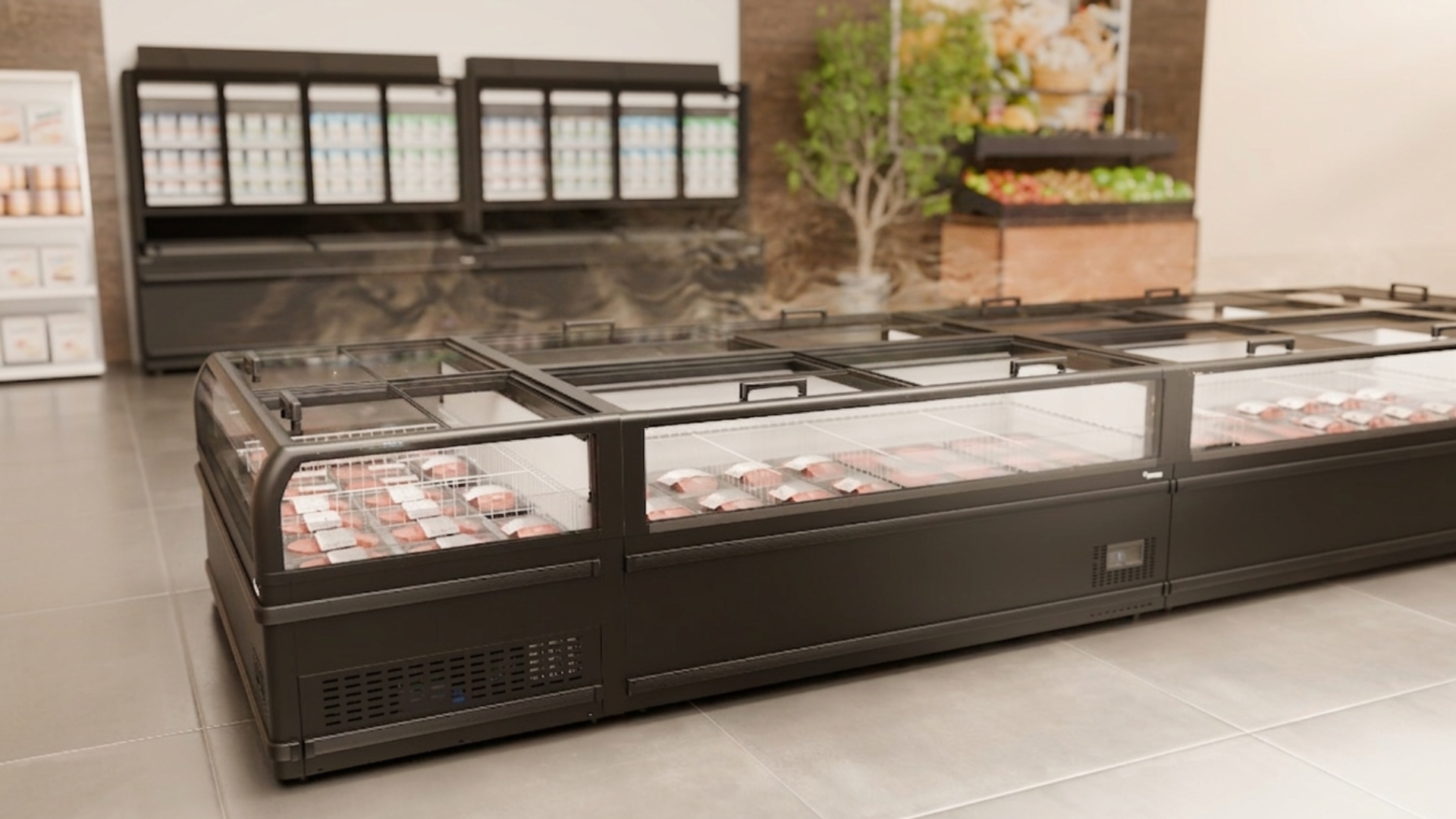
When temperatures rise, refrigeration equipment faces one of its greatest challenges of the year. Whether in a supermarket, convenience store, or even at home, intense heat can affect equipment performance, increase energy consumption, and even shorten the lifespan of its components.
During the summer months, following a few simple maintenance and operating best practices can make all the difference in keeping refrigeration equipment running efficiently, preserving the quality of refrigerated products, and preventing unexpected breakdowns.
In this article, we explain the key steps you can take to protect your refrigeration equipment during periods of hot weather.
Why does hot weather affect the performance of refrigeration equipment?
Refrigeration equipment works by removing heat from the inside and releasing it into the surrounding environment. When the ambient temperature is very high, this process becomes more demanding. This forces the compressor to run for longer periods in order to maintain the desired temperature.
As a result, several challenges may arise:
- Higher energy consumption;
- Continuous compressor operation;
- Increased wear on components;
- Difficulty maintaining the ideal temperature of refrigerated products;
- Increased risk of equipment breakdowns;
The more demanding the operating conditions, the more important proper use and preventive maintenance become.
Next, we present seven essential recommendations to help ensure your refrigeration equipment operates efficiently during periods of hot weather.
1. Ensure proper ventilation around the equipment
One of the most common mistakes is installing refrigeration equipment too close to walls, shelves, or other equipment.
The refrigeration system requires adequate space to dissipate the heat it generates. When airflow is restricted, the condenser can overheat, significantly reducing the equipment’s efficiency.
Best practices:
- Follow the minimum clearance distances recommended by the manufacturer;
- Avoid blocking the ventilation grilles;
- Do not store boxes or products near the air intake and air outlet openings;
Proper ventilation helps reduce the workload on the compressor and improves the equipment’s energy efficiency.
2. Clean the condenser regularly
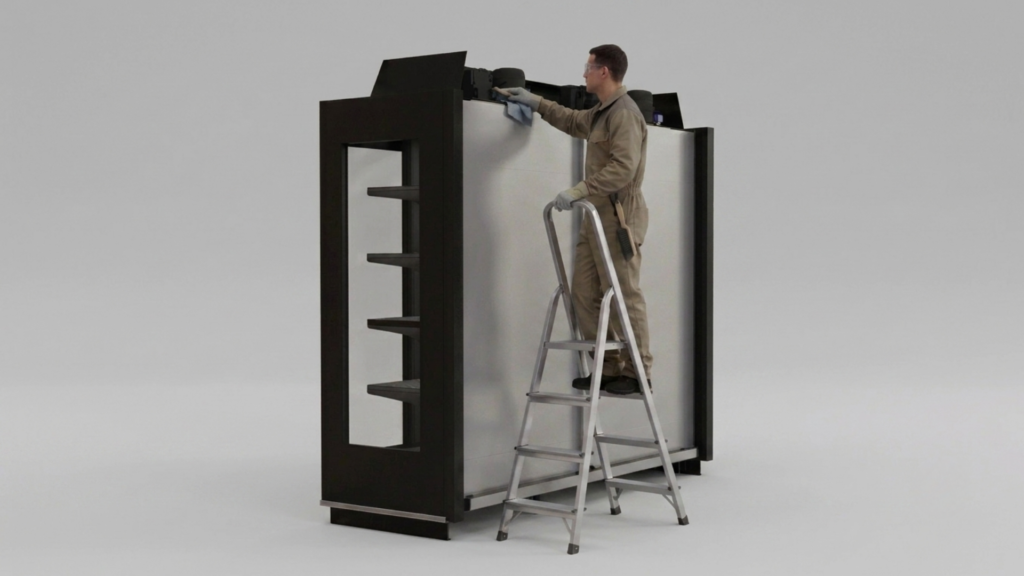
The condenser is one of the most important components of any refrigeration equipment.
Over time, it accumulates dust, grease, and other particles that reduce its ability to transfer heat to the surrounding environment. During hot weather, this can lead to a significant increase in operating temperature.
Regular cleaning helps to:
- Improve refrigeration efficiency;
- Reduce energy consumption;
- Reduce compressor wear;
- Prevent unexpected breakdowns;
This simple maintenance task can make a significant difference in equipment performance during the summer.
3. Avoid opening doors or lids unnecessarily
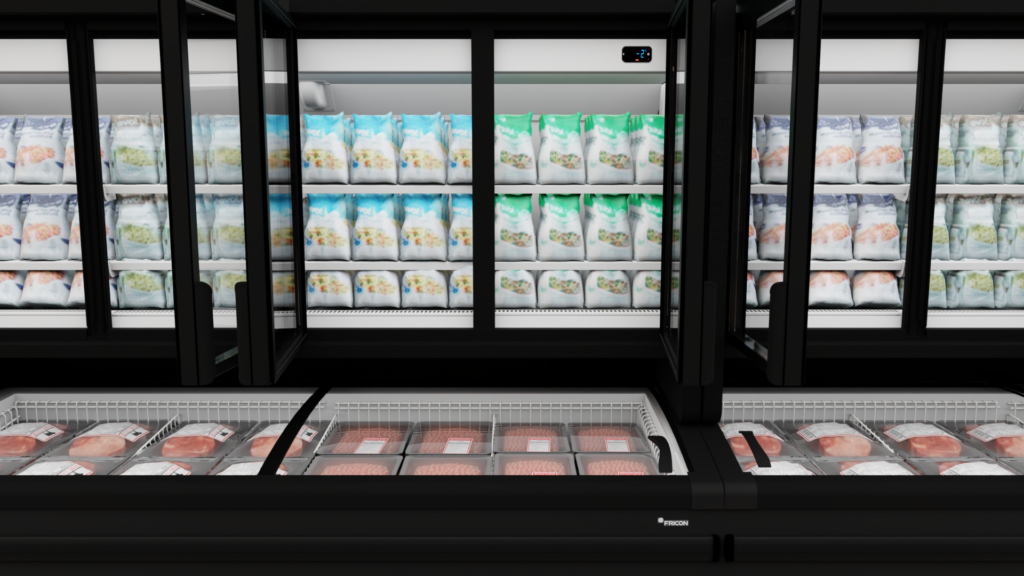
Every time a door or lid is left open, warm air enters the refrigeration equipment.
During periods of intense heat, this warm air forces the refrigeration system to work harder to restore the desired temperature, increasing energy consumption.
To reduce this impact:
- Open only when necessary;
- Avoid leaving doors open;
- Organize products in advance to make operations faster;
4. Do not overload the equipment
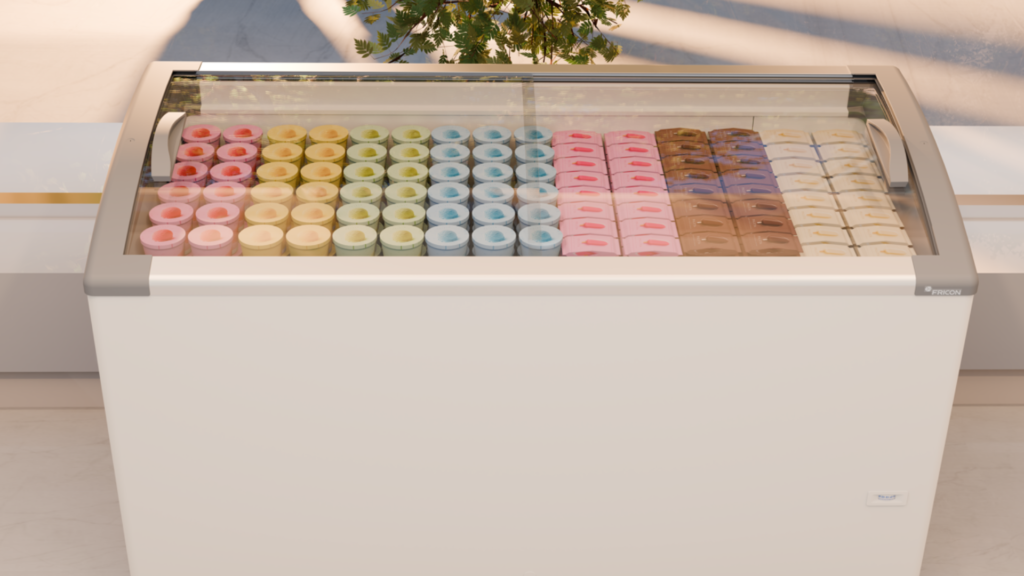
It is natural that during the summer there is an increase in demand for chilled drinks, ice creams, and refrigerated products.
However, overfilling the equipment can restrict the circulation of cold air between the products.
When airflow is blocked:
- Cooling becomes less uniform;
- Some products may not reach the ideal temperature;
- The equipment operates for longer periods;
The ideal approach is to maintain proper product distribution, respecting the load limits specified for each piece of equipment.
5. Check the condition of door seals
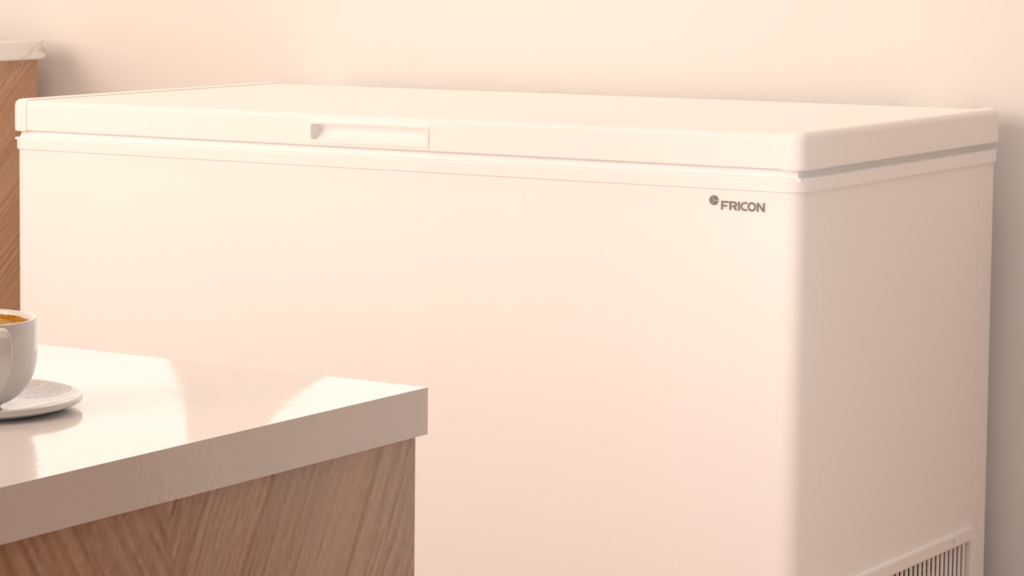
Door seals play an essential role in maintaining the correct temperature.
If they are worn, damaged, or deformed, they allow warm air to enter continuously, forcing the equipment to constantly compensate for this loss of cold air.
Regular inspections make it possible to quickly identify signs of wear and prevent efficiency losses.
6. Monitor the equipment temperature
During periods of extreme heat, it is advisable to regularly check that the equipment is maintaining the expected temperature.
An unexpected change may indicate:
- Lack of ventilation;
- Need for cleaning;
- Developing technical issues;
Detecting these situations early helps prevent product losses and more costly interventions.
7. Invest in preventive maintenance
Preventive maintenance remains the best way to avoid breakdowns, especially before and during the warmer months.
A technical inspection may include:
- Cleaning of components;
- Checking the refrigeration system;
- Evaluation of compressor performance;
- Checking operating levels;
- Identifying signs of wear;
In addition to increasing equipment reliability, proper maintenance helps reduce operating costs over time.
Energy efficiency also depends on proper use.
Even highly energy-efficient equipment can lose performance if used under unsuitable conditions.
Small daily actions, such as ensuring proper ventilation, avoiding overloading, and carrying out regular cleaning, help reduce energy consumption and extend the lifespan of refrigeration equipment.
For businesses with multiple refrigeration units, such as supermarkets, food retail chains, or convenience stores, these best practices can result in a significant reduction in operating costs during the summer.
Care that makes a difference
Periods of intense heat put any refrigeration equipment to the test. However, with proper maintenance, good operating practices, and equipment designed for high performance levels, it is possible to ensure efficient refrigeration even on the hottest days.
At FRICON, we develop commercial refrigeration solutions designed to meet the challenges of food retail, distribution, and foodservice. By combining innovation, energy efficiency, and reliability, we help our customers preserve their products and optimize operating costs throughout the year.