Putting food in the refrigerator is almost second nature. But some foods are better kept away from the cold, and a few of them may surprise you.
Some habits are so automatic that we hardly think about them. We come home from the grocery shop, open the refrigerator and start putting everything away: meat on one side, vegetables on the other, drinks on the shelves and, if there’s room, almost anything we want to keep for longer.
The logic seems simple: the colder it is, the longer food will keep.
But it doesn’t quite work that way.
Refrigeration is essential for many foods. It helps preserve perishable products and control the growth of microorganisms. But some foods don’t respond well to low temperatures. In some cases, the cold alters their texture; in others, it affects their flavour, aroma or even the natural ripening process.
And there’s an even more interesting point: the same food can have completely different storage requirements once it has been cut, cooked or prepared.
For anyone working in a restaurant, hotel, supermarket, café or other food-related business, understanding these differences can mean better food preservation, less waste and more efficient use of refrigeration equipment.
So, which foods should actually be kept out of the cold?
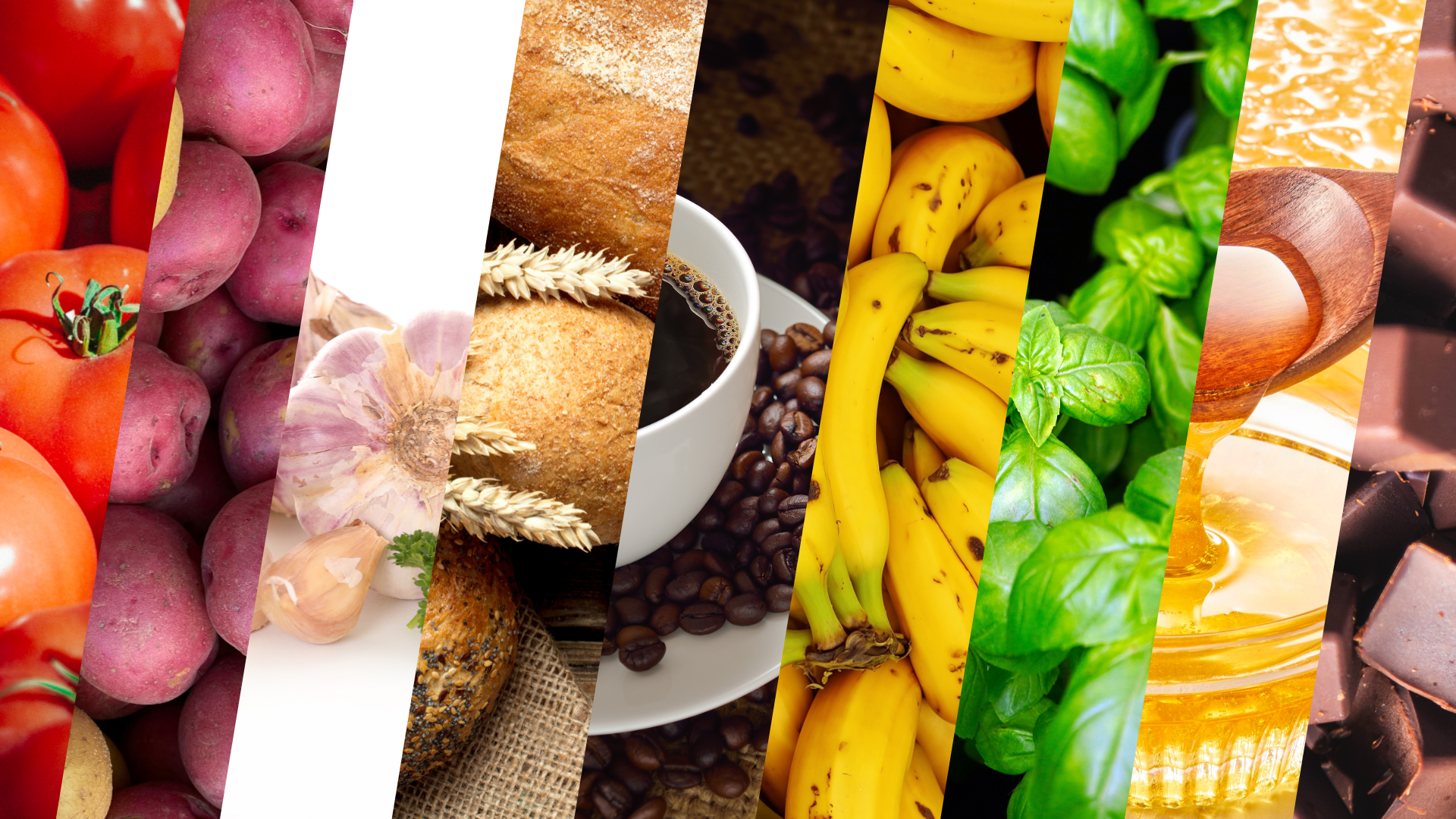
1. Tomatoes
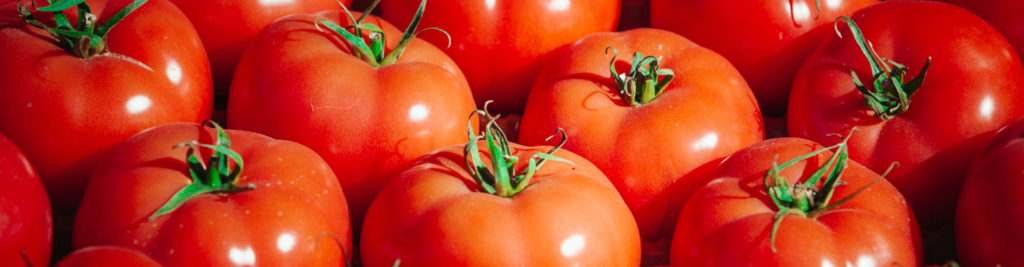
Tomatoes are probably one of the foods most likely to end up in the refrigerator. It seems logical: they’re fresh, delicate, and we want to keep them for as long as possible.
The problem is that refrigeration can work against tomato quality. When a whole tomato is placed in the refrigerator, low temperatures can affect its texture and interfere with the development of its flavour.
Instead of the aromatic, juicy tomato we were expecting, we may end up with a firmer, less flavourful product and a completely different eating experience.
So, should tomatoes never be refrigerated?
No. It all depends on its condition.
Whole tomatoes can be kept out of the refrigerator in a cool, suitable place to better preserve their flavour and texture. Once they have been cut or prepared, however, they should be refrigerated to maintain food safety and freshness.
So the rule is simple: whole tomatoes stay out of the fridge; cut or prepared tomatoes should be refrigerated.
2. Potatoes
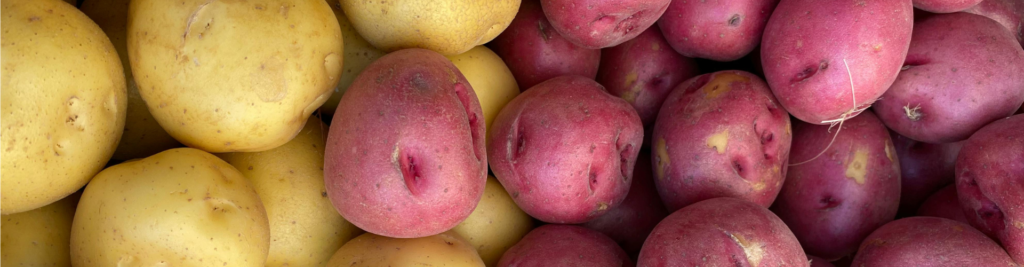
Under suitable domestic or professional conditions, whole potatoes should be kept in a cool, dry, dark and well-ventilated place rather than simply being stored in the refrigerator.
This is because cold temperatures can alter the food’s composition and, consequently, affect its characteristics when cooked.
Cooked, peeled or cut potatoes, or potatoes incorporated into a prepared dish, should be treated as prepared food and stored according to the applicable food safety guidelines.
This distinction is particularly important in a professional kitchen, where the same ingredient may exist in different stages of preparation at the same time.
3. Whole onions and garlic
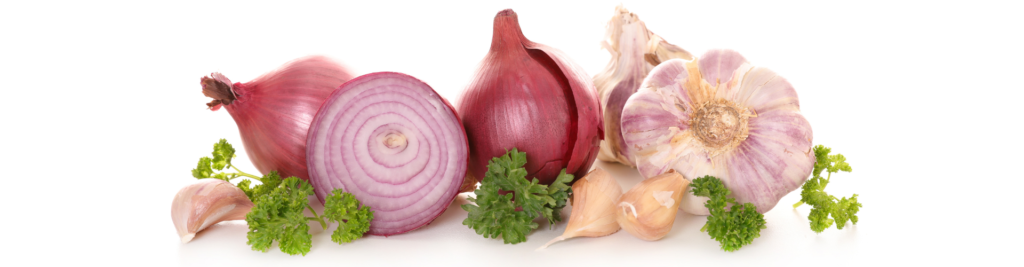
Whole onions and garlic do not need to be stored in the refrigerator. Ideally, they should be kept in a cool, dry, dark and well-ventilated place, where they can stay fresh for longer without losing quality.
Besides helping to preserve these foods more effectively, this approach also frees up space in refrigeration equipment for products that genuinely need to be kept at low temperatures.
Once they have been cut or prepared, the situation changes: in that case, they should be refrigerated and properly stored, following the appropriate storage conditions.
4. Bread
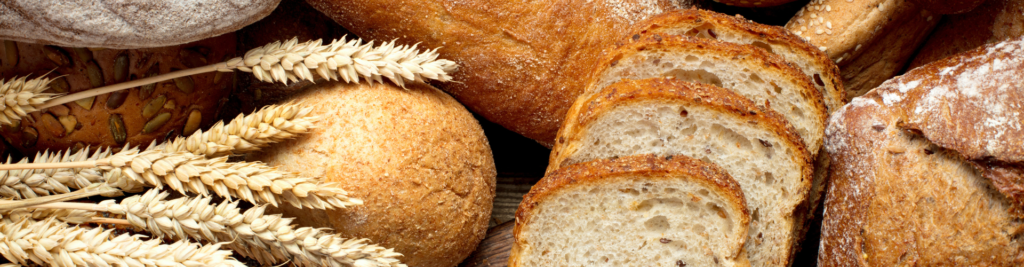
Refrigeration temperatures can accelerate certain changes in the bread’s starch, causing it to lose quality and become stale more quickly.
If the goal is to keep bread fresh for short-term consumption, the refrigerator is not necessarily the best option. A suitable, dry and protected place may be more appropriate.
When significantly longer storage is needed, freezing can be a more effective alternative, provided the product is properly packaged.
5. Coffee
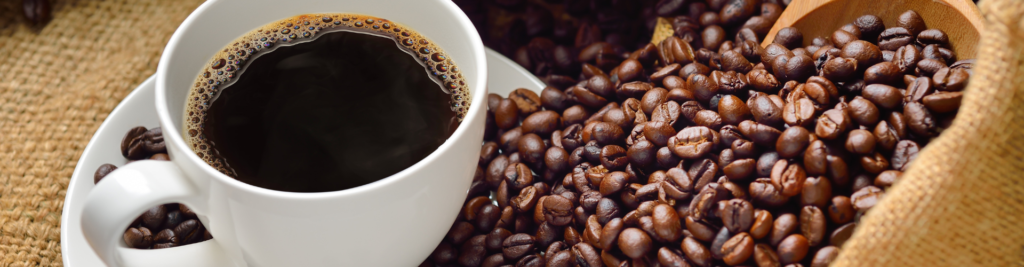
Coffee, especially whole beans or ground coffee, should be stored in a cool, dry place away from light, preferably in a tightly sealed container. In the refrigerator, it can absorb moisture and odours from other foods, which may affect its aroma and flavour.
6. Bananas
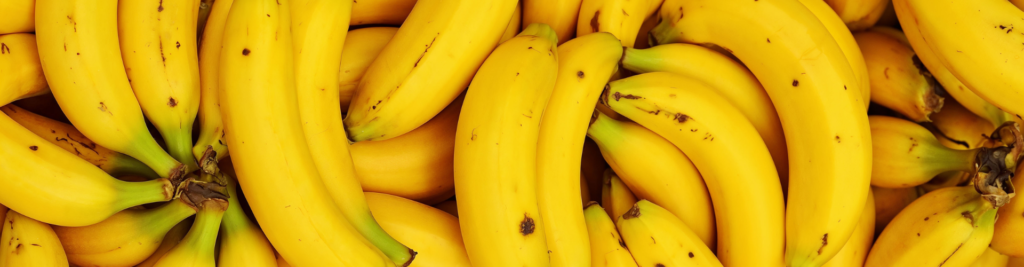
Bananas are another food that can react poorly to temperatures that are too low.
When they are still unripe, cold temperatures can interfere with the natural ripening process and cause changes to the peel. Under certain conditions, the peel may darken, while the inside does not necessarily reach the same level of ripeness it would under suitable conditions.
For this reason, storing unripe bananas in refrigeration equipment may not be the best approach.
7. Basil
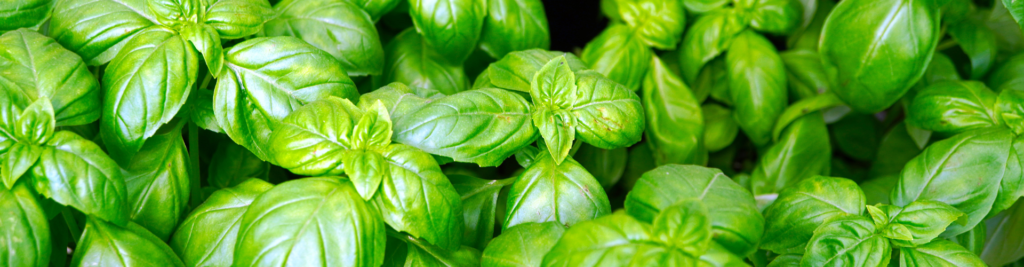
Basil is another food that may not respond well to cold temperatures.
Low temperatures can damage its leaves, causing them to darken and lose some of their appearance and freshness. For this reason, when fresh and still intact, basil may be better preserved outside the refrigerator, in a suitable, protected place.
8. Honey
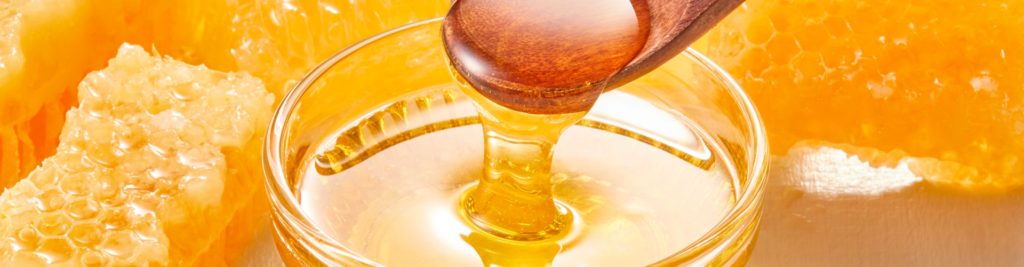
Honey is one of those foods that does not need to be refrigerated. When stored in a tightly sealed container in a cool, dry place away from light, it can remain in good condition for a long time.
Cold temperatures can, however, cause honey to crystallize more quickly, making it thicker and more difficult to use. This crystallization does not mean that the honey has gone bad, but it can change its texture.
9. Chocolate
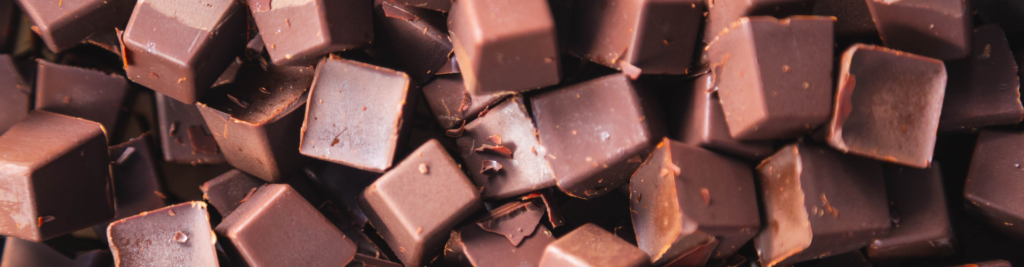
With chocolate, the situation is a little different.
Storing chocolate in the refrigerator can cause changes in its texture and appearance, especially when it is taken out of the cold and exposed to warmer air. Condensation can form on the surface, affecting the chocolate’s appearance.
In addition, low temperatures and moisture can contribute to the appearance of whitish marks on the surface, known as bloom. Although they do not necessarily mean that the chocolate has gone bad, they can affect its appearance and quality.
What, after all, needs to be refrigerated?
After so many examples, it’s important not to draw the wrong conclusion.
Refrigeration remains essential for the safe preservation of many foods, especially perishable products and prepared foods.
The point is not to refrigerate fewer foods. It is to store each food under the right conditions.
Meat, fish, seafood, dairy products and many prepared foods require controlled temperatures. Other products, such as those we have discussed in this article, may retain their qualities better outside refrigeration, provided they are stored under the right conditions.
In a professional setting, this distinction becomes even more important.
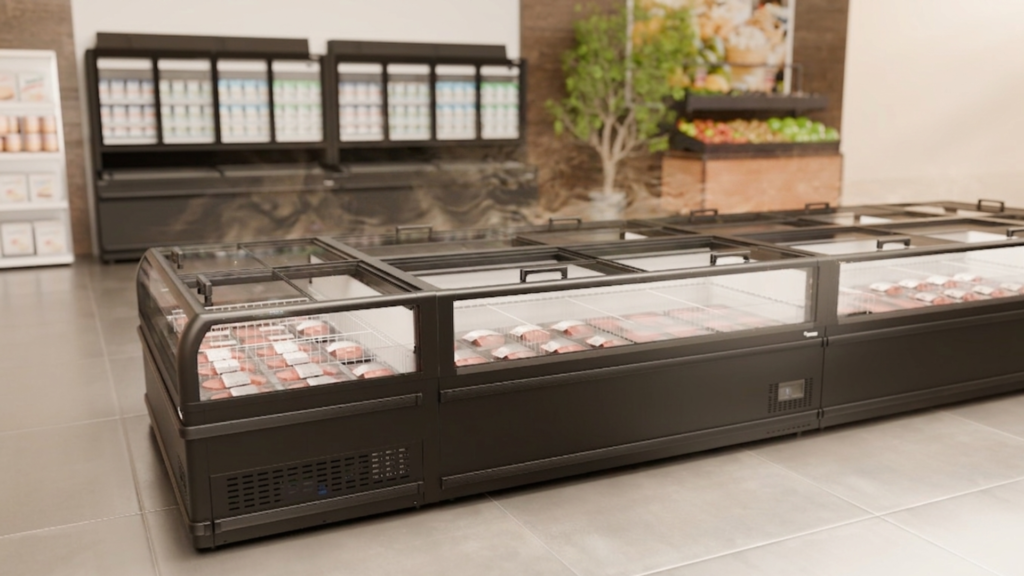
A commercial refrigeration equipment should not be viewed simply as a place to “put all the food.” Proper organization, temperature control, air circulation, and the way products are stored are all part of an effective food preservation strategy.