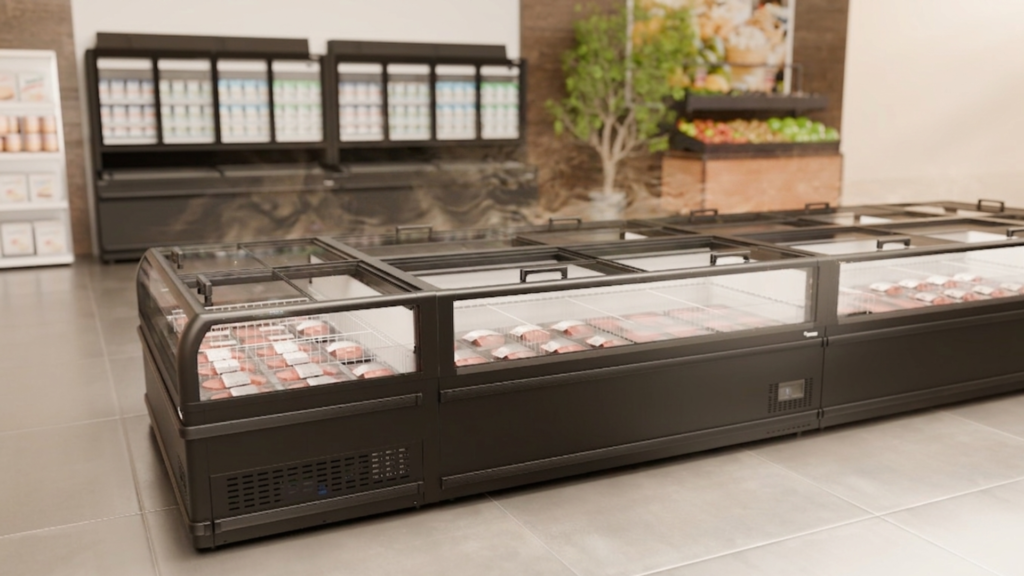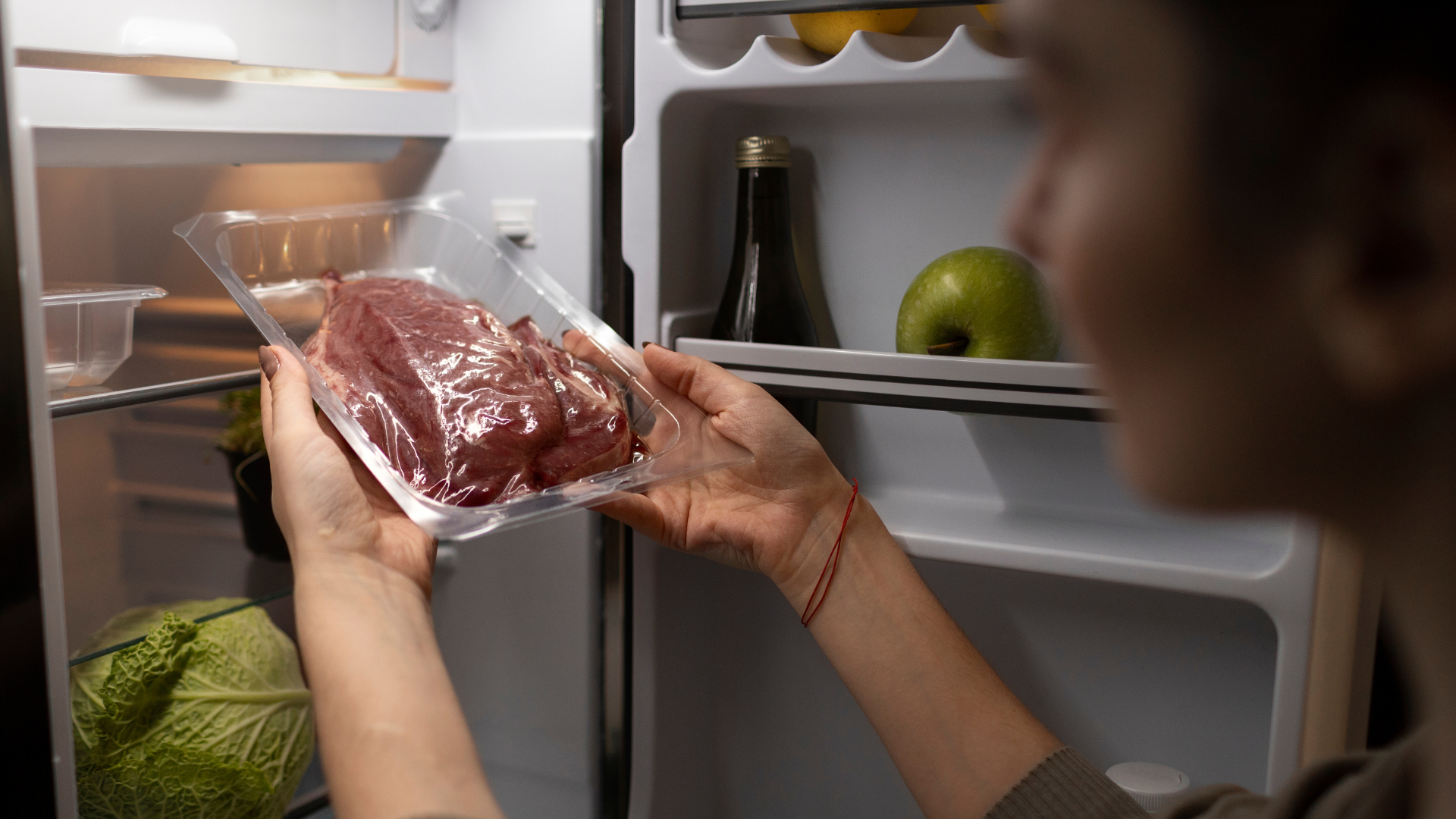
Holidays are an opportunity to rest, but before closing the door to your home or temporarily shutting down a business, there is one aspect that deserves attention: refrigeration equipment.
An absence of several days or weeks can have consequences if the equipment is not prepared correctly. Depending on the type of equipment and the length of the absence, it may be necessary to switch it off, keep it running, or take a few preventive measures to ensure that everything remains in good condition until you return.
In this article, we outline the main precautions to take before going on holiday, whether you are a private customer or run a supermarket, shop, restaurant, or other commercial establishment.
Why should you prepare your refrigeration equipment before going on holiday?
When refrigeration equipment is left unattended for several days, any problem may go unnoticed until you return. A power outage, a poorly closed door, or equipment that has been switched off incorrectly can lead to food spoilage, unpleasant odours, breakdowns, or unnecessary energy consumption.
Taking a few minutes to prepare your refrigeration equipment helps reduce these risks and provides greater peace of mind while you are away.
1. Decide whether to keep the equipment switched on or turn it off
Not all refrigeration equipment should be treated in the same way.
If the equipment will continue to store food or products that require refrigeration, it should remain switched on during your absence.
On the other hand, if the equipment will be completely empty for an extended period, it may be more beneficial to switch it off, reducing energy consumption and avoiding unnecessary operation.
In supermarkets and commercial establishments, this decision should be based on the products being stored and the expected duration of the closure.
2. Completely empty any equipment that will be switched off
Before switching off any equipment, remove all stored food, drinks, or other products.
Even small amounts left inside can cause unpleasant odours, spills, or make cleaning more difficult when you return.
For commercial refrigeration equipment, also check whether any products are approaching their expiry date and should be used or removed before closing.
3. Defrost, clean and leave the interior dry
If you choose to switch off the equipment, the next step is to clean it thoroughly.
Once it has been switched off:
- Allow any ice to melt;
- Clean the interior with a damp cloth and a suitable detergent;
- Dry all surfaces before closing the equipment;
To prevent mould and unpleasant odours from developing, leave the door slightly ajar throughout the entire period of absence.
4. Protect the equipment against electrical faults
During the holidays, a power failure may go unnoticed for several days.
If the equipment is to remain switched on, make sure it is properly connected to the power supply and, whenever possible, use surge protection devices.
In commercial establishments, it is equally important to check whether temperature monitoring systems or contingency plans are in place to ensure a rapid response in the event of a failure.
5. Carry out a final check before leaving
Before leaving, check that:
- The doors are completely closed;
- The temperature is set correctly;
- There are no alarms or error messages;
- The surrounding area is clean and well ventilated;
This final check only takes a few minutes and can help prevent problems while you are away.
6. Prepare for your return
If the equipment has remained switched off, turn it back on a few hours before storing food or drinks again.
This will allow it enough time to reach the correct temperature and ensure that the products are stored safely.
In commercial establishments, this preparation should form part of the reopening plan, ensuring that all equipment is ready to resume normal operation.
A stress-free holiday starts with good preparation
Properly preparing refrigeration equipment before a period of absence is a simple way to avoid unexpected problems, protect stored products and preserve the equipment’s proper operation.
Whether at home or in a business, taking a few simple precautions before going on holiday can make all the difference when you return.