Commercial refrigeration is one of the cornerstones of the food industry. In supermarkets, convenience stores, grocery shops, butcher shops, bakeries and other food retail outlets, ensuring proper food preservation is essential to maintaining product quality, meeting food safety requirements and ensuring business continuity.
However, the challenges facing the retail sector are evolving. Beyond energy efficiency, sustainability and operational cost optimisation, there is growing concern about the reliability and security of the technological infrastructure that keeps retail businesses running.
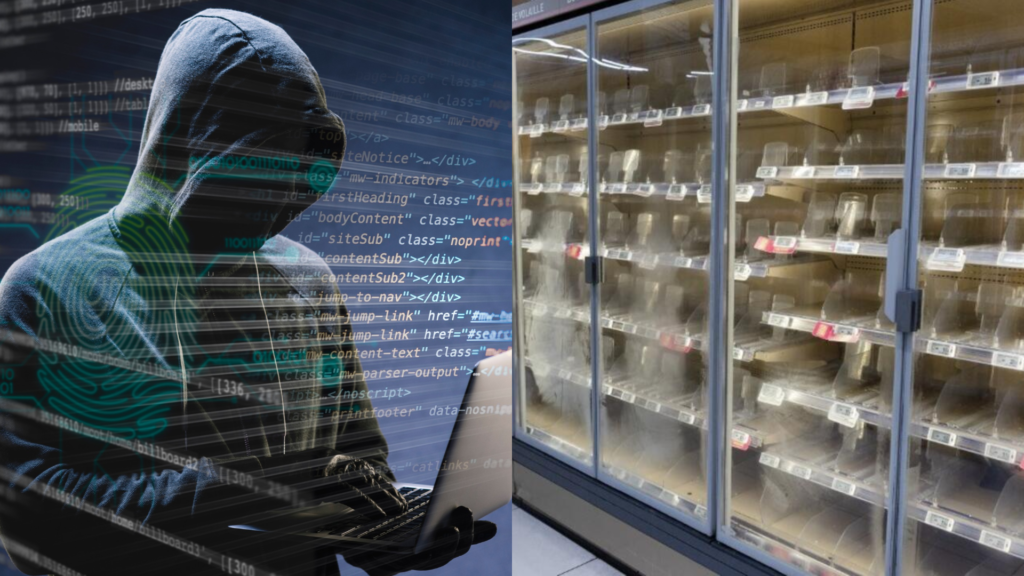
Recent cyberattacks targeting supermarket refrigeration systems across Europe have highlighted how a failure in a control infrastructure can have consequences that extend far beyond technology itself. Such incidents can compromise food preservation, result in significant financial losses and disrupt business operations.
In this context, Plug-In refrigeration systems play a particularly important role. By integrating the refrigeration circuit into the unit itself, they provide a self-contained, simplified and flexible solution, offering significant advantages for different business models.
But what really sets Plug-In refrigeration systems apart? And why could they be a strategic choice for the future of food retail?
What are plug-in refrigeration systems?
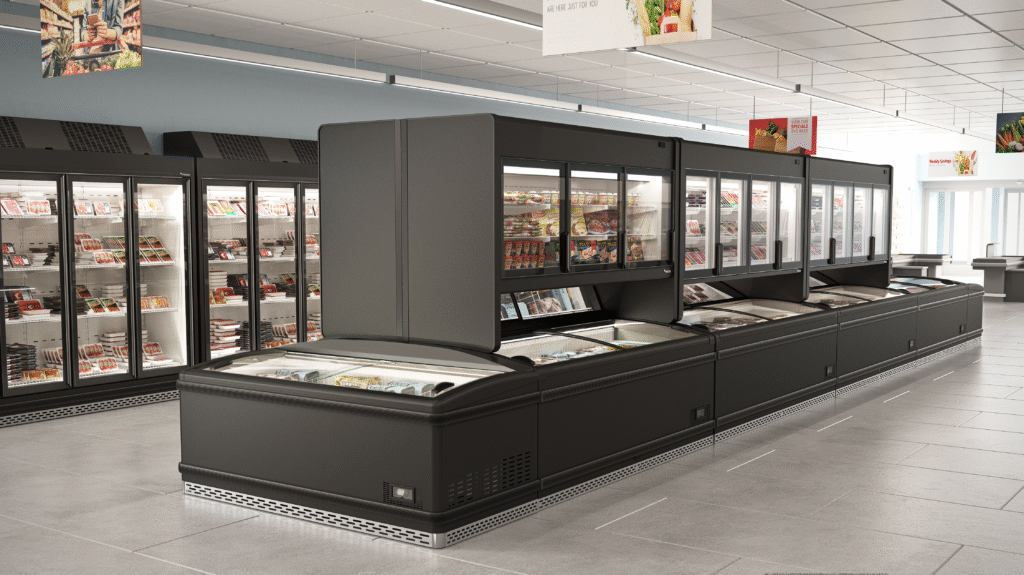
Plug-in refrigeration systems integrate all the key components of the refrigeration circuit, such as the compressor, condenser and evaporator, into a single unit.
Unlike remote or centralised refrigeration systems, they operate independently, requiring only a power supply to function.
This technology simplifies installation, reduces reliance on external refrigeration units and offers greater flexibility in the layout of retail spaces, making it a practical and versatile solution for modern retail.
Cyberattacks on supermarkets: why is it important to rethink the refrigeration architecture?
In October 2026, a cyberattack on the refrigeration control systems of several supermarkets led to changes in temperatures and defrost cycles, resulting in food spoilage, financial losses and fires at some outlets.
The incident highlighted the risks of relying on centralised infrastructure and the importance of security and operational resilience.
Although plug-in units may also be vulnerable to cyber-attacks, their autonomous refrigeration system helps to limit the spread of certain faults, as each unit has an independent circuit.
Plug-In technology therefore offers an advantage in terms of operational continuity and minimising the impact of faults in refrigeration systems.
Greater autonomy and operational independence
The main advantage of plug-in systems is the autonomy of each unit, as each unit has its own refrigeration circuit and does not rely on a central refrigeration plant.
This independence reduces single points of failure, meaning that a fault in one piece of equipment does not necessarily compromise the operation of the others.
As such, plug-in systems help to ensure greater operational resilience and business continuity.
Greater resilience in the face of failures and incidents
The architecture of refrigeration systems has a direct influence on their operational resilience. Whilst centralised systems concentrate the risk within a single infrastructure, plug-in units distribute cooling capacity across independent units, thereby limiting the impact of specific faults.
This decentralisation promotes the continuity of food preservation and should be complemented by good cybersecurity and monitoring practices.
Quick and easy installation
Another key advantage of plug-in equipment is that it is simple to install.
As the refrigeration circuit is built into the unit itself, there is no need to install a network of refrigeration pipes to connect the units to an external unit.
In most applications, installation essentially involves positioning the equipment, checking that the necessary operating conditions are met and connecting it to the mains supply, whilst always following the manufacturer’s instructions.
This helps to reduce the complexity of installation work, minimise the need for alterations to the premises’ infrastructure and simplify the processes involved in opening or refurbishing retail premises.
For businesses looking to get up and running quickly, refurbish a shop or increase their refrigeration capacity, this facility offers a practical advantage.
Furthermore, the simpler installation can lead to a reduction in implementation costs, as it does not require the construction of a central refrigeration infrastructure for the stand-alone units.
Flexibility in the organisation and optimisation of retail space
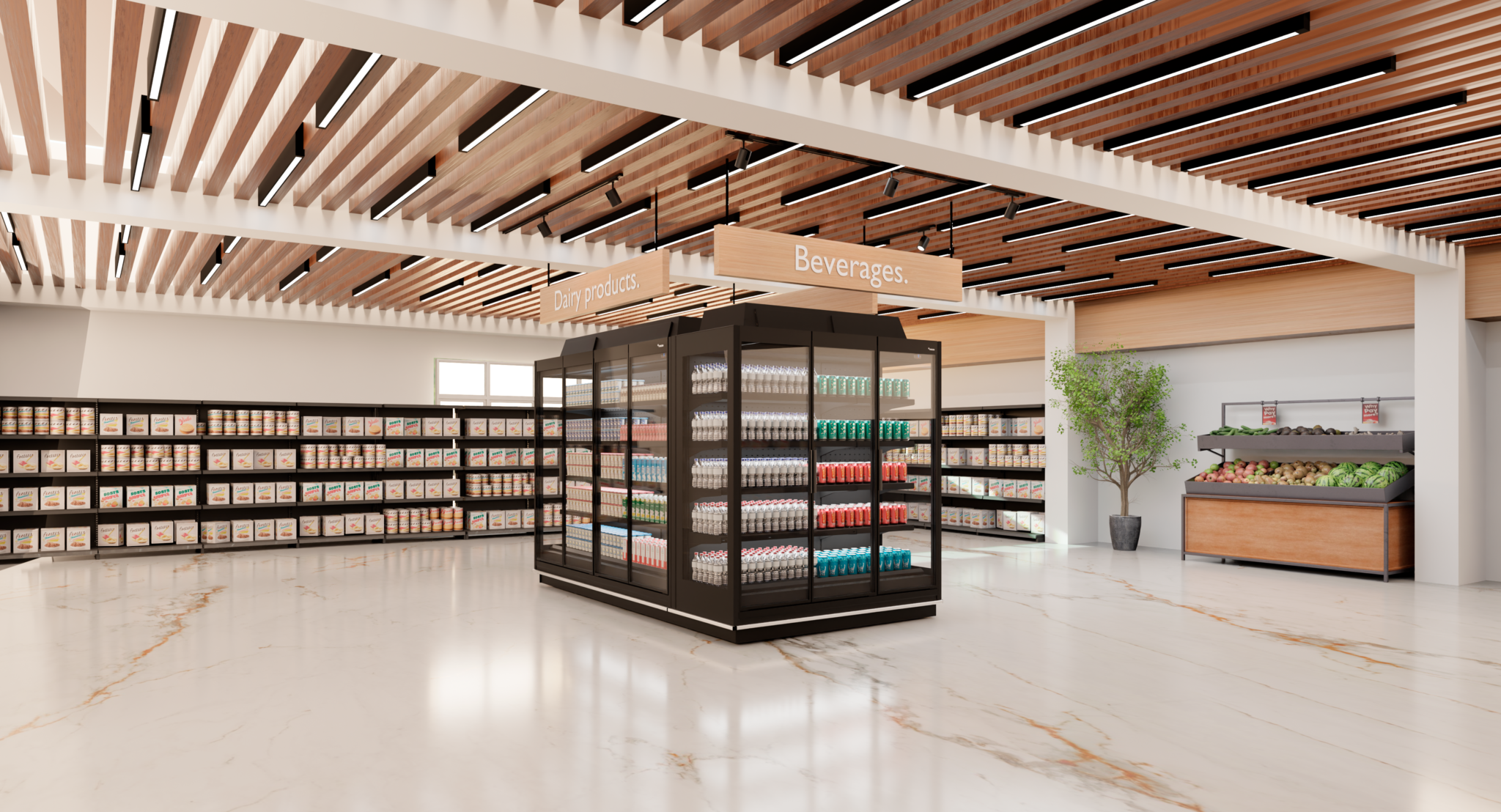
Plug-in systems offer greater freedom in the layout of commercial spaces, as they do not rely on permanent connections to a central unit.
This feature makes it easier to reorganise sales areas, introduce new equipment and adapt product displays to the needs of the business.
For example, a shop might decide to expand its drinks section during the summer, create a new frozen foods section or rearrange the display units to improve the customer journey.
With stand-alone solutions, these changes may be simpler to implement, provided that the requirements regarding installation, ventilation, power supply and operation of the equipment are met.
More localised maintenance and simplified replacement
In plug-in units, the refrigeration circuit is independent and integrated into each unit, allowing for more localised, simpler and quicker maintenance and repair work. This autonomy makes it easier to replace individual units without affecting the others, thereby reducing the time taken for repairs and minimising disruption to business operations. Technical work must, however, be carried out by qualified professionals.
More predictable initial investment and implementation
Plug-in units enable the implementation of refrigeration solutions with a lower initial investment, eliminating the need for a central refrigeration plant and its associated cold distribution network. Their modular design makes it possible to start with the essential units and expand the installation as the business grows, ensuring greater flexibility and control over investment. When making a choice, however, one should take into account the total costs of installation, energy consumption and maintenance, as centralised systems may be more advantageous in larger installations.
Solutions tailored to developments in energy efficiency and sustainability
Energy efficiency and sustainability are key factors when choosing plug-in refrigeration equipment, given their impact on operating costs and the environment. Performance depends on the technology, components, insulation and operating conditions; it is also essential to choose refrigerants with a lower environmental impact and to comply with Regulation (EU) 2024/573. Therefore, the decision should prioritise equipment that is efficient, sustainable and compliant with European regulatory requirements.
Plug-in or centralised system: which is the best solution?
The choice between plug-in and centralised systems depends on the size, needs and objectives of each establishment. Whilst centralised systems may be more advantageous in large premises, plug-in units offer autonomy, flexibility and ease of installation. The two solutions can also coexist, and the decision should prioritise efficiency, product preservation and operational continuity.
FRICON: Plug-In solutions to meet the challenges of the food retail sector
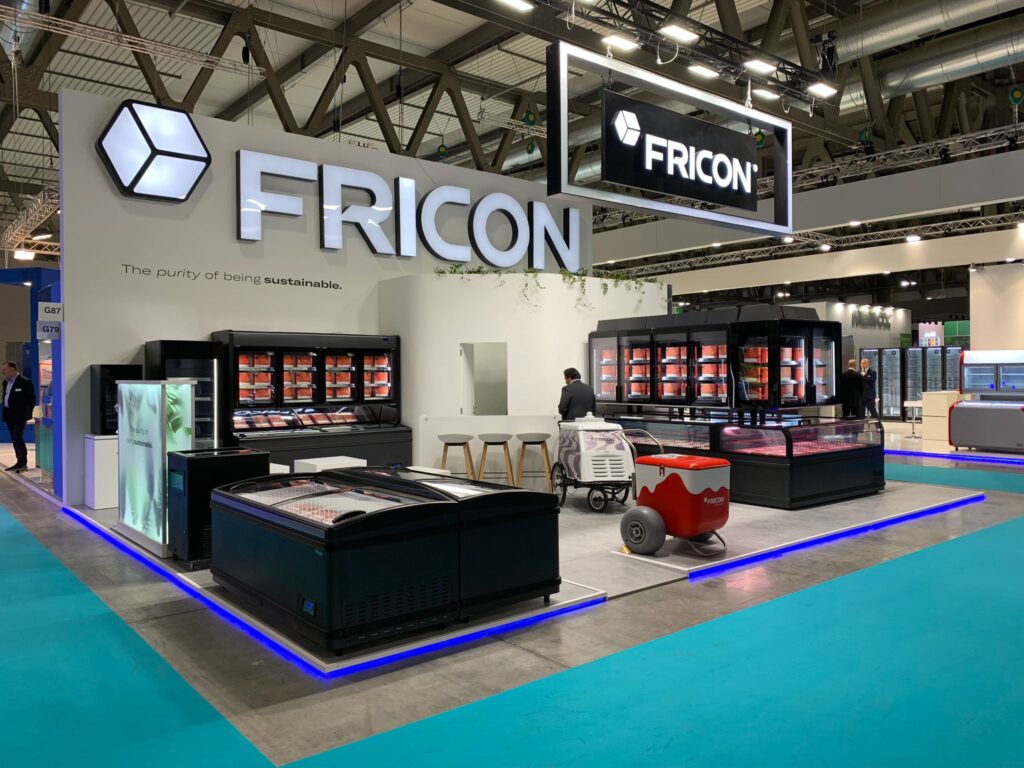
At FRICON, we develop commercial refrigeration equipment designed to meet the needs of food storage, display and retail.
We believe that refrigeration technology must keep pace with developments in the retail sector, providing solutions that combine performance, functionality, efficiency and flexibility.
Plug-in units offer a particularly attractive solution for businesses seeking autonomy in refrigeration, ease of installation and flexibility in organising their retail spaces.
In an increasingly demanding market, where operational continuity, food safety and resource efficiency are becoming ever more important, investing in the right equipment also means investing in the business’s sustainability and adaptability.
More than simply preserving products, commercial refrigeration has a responsibility to safeguard food quality and help build consumer confidence.